29
–30
Jun

The skills nexus between pro­duc­ti­vi­ty and job quality

Strengthening foundations for a competitive Europe

Organiser: Cedefop

As Europe navigates rapid tech­no­lo­gi­cal change and global com­pe­ti­ti­on, this con­fe­rence explores how skills and workplace learning can drive both pro­duc­ti­vi­ty and job quality. It brings together experts, poli­cy­ma­kers and prac­ti­tio­ners to discuss how investing in people’s skills can streng­then Europe’s com­pe­ti­ti­ve­ness. The event is part of the European VET and Skills Week.

Participants will discuss how companies and insti­tu­ti­ons can translate invest­ment in skills and workplace learning into higher pro­duc­ti­vi­ty and better job quality. The con­fe­rence will also address the impact of emerging tech­no­lo­gies, including arti­fi­ci­al intel­li­gence, on jobs and organisations.

Participants will engage in keynote speeches, panel dis­cus­sions and inter­ac­ti­ve sessions. These will explore how skills deve­lo­p­ment and workplace learning link to tech­no­lo­gi­cal change and pro­duc­ti­vi­ty, including tran­si­ti­on towards Industry 5.0 and the role of workplace learning cultures.

Sessions will address topics such as ups­kil­ling in EU work­places, future skills needs, and the impact of auto­ma­ti­on and digital tech­no­lo­gies on jobs. Group dis­cus­sions will look at lea­der­ship, orga­ni­sa­tio­nal support for learning, and how job tasks evolve with digitalisation.

The programme includes exchanges with social partners, govern­ment repre­sen­ta­ti­ves and experts. It encou­ra­ges dialogue and the sharing of practices across sectors and countries.

Insights will draw on findings from Cedefop’s European Training and Learning survey (ETLS). Which provides unique insights into the drivers and con­tex­tu­al factors affecting workplace learning among EU citizens.

The con­fe­rence will con­tri­bu­te to iden­ti­fy­ing practical approa­ches and policy prio­ri­ties to help orga­ni­sa­ti­ons adopt human-centred approa­ches to tech­no­lo­gi­cal innovation.

14:30 – 00:00
Thessaloniki, Greece
Konferenz


Nov
23
10:00-15:30
Bildungszentrum St. Virgil, Salzburg
Enquete

Erwachsenenbildung braucht Demokratie, Demokratie braucht Erwachsenenbildung

Ö-Cert-Enquete 2026

Bundesinstitut für Erwachsenenbildung (bifeb)

Die Gesellschaft steht vor großen Herausforderungen: Desinformation, Polarisierung und Misstrauen in Institutionen, das Erstarken totalitärer Bewegungen und Systeme – diese weltweiten Entwicklungen sind auch in Österreich spürbar und verunsichern die Menschen. Demokratische Rahmenbedingungen geraten unter Druck, sind aber wesentliche Voraussetzung für eine freie, pluralistische und zugängliche Erwachsenenbildung. Welchen Einfluss haben wir auf diese Entwicklungen, wie gehen wir persönlich damit um und vor allem: Was kann (Erwachsenen-)Bildung hier leisten? Das Programm der Enquete sieht wie folgt aus:
  • Isolde Charim beschäftigt sich in ihrer Keynote mit den Veränderungen der Demokratie und stellt die Frage, welche Art von Bildung wir brauchen. Dabei fragt sie gleichzeitig auch: Welche Art von Subjekten braucht es für eine funktionierende Demokratie?
  • Partizipative Formate stehen dann am Nachmittag im Mittelpunkt: Gaby Filzmoser wird ein Barcamp moderieren, bei dem eigene Themen und Anliegen eingebracht und mit interessierten Kollegen und Kolleginnen diskutiert werden können.
  • Zum Abschluss haben Ö-Cert-Anbieter die Möglichkeit, mit Ihren Formaten oder Projekten sichtbar zu werden. Bis spätestens 10.09.2026 können Projekte eingereicht werden, die sich auf außergewöhnliche und kreative Weise mit dem Thema der Enquete auseinandersetzen. Drei ausgewählte Projekte werden von ihren Einreichenden auf der Bühne präsentiert.
Eine Anmeldung ist erforderlich.

December

2026


Dec
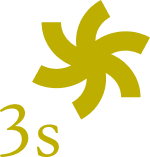
3–
3
09:00-16:00
Vienna
Workshop

Thematic Workshop of the EUSDR

“Demographic Challenges, (Rural) Outmigration and Skills Shortages”

EUSDR, the Danube Region Strategy

On 3 December 2026 the Thematic Workshop of the EUSDR, the Danube Region Strategy, will take place in Vienna, Austria on the topic of: “Demographic Challenges, (Rural) Outmigration and Skills Shortages”.


Dec
3–
4
13:00
Thessaloniki, Greece
Konferenz

AI skills as a com­pe­ti­ti­ve advantage for Europe

From AI adoption to effective workplace practice

Cedefop

As fast-paced developments in artificial intelligence (AI) technologies are promising widespread productivity growth across economies, this conference brings together researchers, social partners, EU and national policymakers to discuss how can AI upskilling or reskilling initiatives ensure widespread benefits for workers and organisations. Skills and VET are central to Europe’s competitiveness and resilience. And this event contributes to that wider conversation through the European Skills & VET Week 2026.  


Dec
8–
11
09:00
Brisbane, Australia
Conference

Researching Work & Learning International Conference

Researching lifelong learning and innovation for work in times of crisis

RWL International Advisory Committee

The Researching Work & Learning (RWL) International Conference Series is the world's longest, continuously running international research conference series serving the field of workplace learning. It was initiated in 1999 by researchers at the University of Leeds (UK). As of 2026 it has visited eleven countries in five continents. The conference series as a whole is organized through the work of the RWL International Advisory Committee. This committee is composed of leading international scholars in the diverse field of workplace learning. RWL14  local organising committee: Stephen Billett, Paula Brough, Steven Hodge, Ashlea Troth, Sarojni Choy and Carys Chan


Dec
8
09:30-16:00
Bundesinstitut für Berufsbildung, Bonn
Expert*innendiskussion

Fachaustausch: „Digitale Bildungsnachweise in Deutschland und Europa”

Vom Abschlusszeugnis bis zu Micro-Credentials mit EDC und EUDI-Wallet

Europass

Ob Sie bereits digitale Nachweise ausstellen oder gerade erst einsteigen: Im Rahmen des Fachaustauschs am 8. Dezember 2026 erfahren Sie, wohin die Entwicklung der digitalen Bildungsnachweise geht, lernen von den Erfahrungen anderer und knüpfen außerdem Kontakte zu Einrichtungen, die vor ähnlichen Fragen stehen. Lernerfolge lassen sich bereits heute digital und europaweit sichtbar machen. Dafür gibt es mit den European Digital Credentials for Learning (EDC) seit einigen Jahren einen europäischen Standard, mit dem Bildungseinrichtungen Nachweise ausstellen können, die sich in ganz Europa prüfen und teilen lassen. Ab 2027 startet dann die deutsche EUDI Wallet "d-you", in der künftig auch formale Abschlusszeugnisse als digitale Nachweise Platz finden sollen. Und mit dem Vorschlag für einen Skills Portability Act will die EU-Kommission Qualifikationen über Grenzen hinweg transparenter machen, indem ein einheitlicher Standard für digitale Nachweise in den nationalen EUDI Wallets etabliert wird und Informationen über Qualifikationen über ein digitales Tool in der Europass-Plattform besser vergleichbar werden. Die Veranstaltung beleuchtet den aktuellen Stand und künftige Perspektiven für digitale Qualifikationsnachweise in Deutschland und Europa.


Dec
9
10:00-11:30
Online
Webinar

Making qua­li­fi­ca­ti­ons and skills portable

Digital credentials, recognition and validation

Cedefop

As Europe seeks to make qualifications and skills more portable across borders, digitalised and trusted information and effective recognition and validation arrangements are essential. This webinar provides and overview of recent developments connected to digital tools (qualifications databases and digital credentials) as well as recognition and validation of VET qualifications.