
24 October 2025

The role of public funding in financing adult learning

How can adult learning be financed sustainably? A European conference discussed instruments of public (co-)funding and new insights from Cedefop.

Against the backdrop of the European objective to signi­fi­cant­ly increase adult par­ti­ci­pa­ti­on in learning, the con­fe­rence Financing adult learning: The role of public funding addressed the key question of how adult learning in Europe can be financed effec­tively and sus­tain­ab­ly. The aim of the event was to provide an overview of existing funding instru­ments across EU Member States and to reflect on the future role of public (co-)funding.

The dis­cus­sions were framed by the growing importance of adult learning for employa­bi­li­ty, inno­va­ti­on, social fairness, and closing skills and digital gaps. Current European initia­ti­ves – such as the planned Union of Skills – further underline the political relevance of lifelong learning. At the same time, it is evident that the ambitious targets of the European Pillar of Social Rights can only be achieved through a cor­re­spon­ding expansion and strategic alignment of funding.

The con­fe­rence focused on recent Cedefop research on public funding struc­tures for adult learning in Europe. 3s has been involved in several key research projects in this field in recent years and was repre­sen­ted at the con­fe­rence. Among the pre­sen­ta­ti­ons were analyses of the overall struc­tures of public (co-)funding, drawing on ReferNet country reports and the Cedefop database on adult learning financing. Further focal points included financial support for indi­vi­du­als – in par­ti­cu­lar indi­vi­du­al learning accounts – as well as instru­ments to incen­ti­vi­se employer-provided training, such as training funds and recent findings from the CVTS survey.

Günter Hefler, together with Patrycja Lipinska (Cedefop), presented key findings from the study on indi­vi­du­al learning accounts and con­tri­bu­ted the intro­duc­to­ry input to the workshop on Training leave and income repla­ce­ment. On the second day of the con­fe­rence, Daniel Unterweger presented the potential of training funds, using Lithuania as an illu­stra­ti­ve example.

The con­fe­rence also discussed how public funding can be stra­te­gi­cal­ly deployed to mobilise private invest­ment and to design effective cost-sharing arran­ge­ments between the state, indi­vi­du­als and employers. It became clear that the focus should be less on indi­vi­du­al instru­ments and more on the inter­ac­tion of different funding mecha­nisms – ranging from publicly financed provision of learning oppor­tu­ni­ties and financial incen­ti­ves to targeted support for learners and companies.
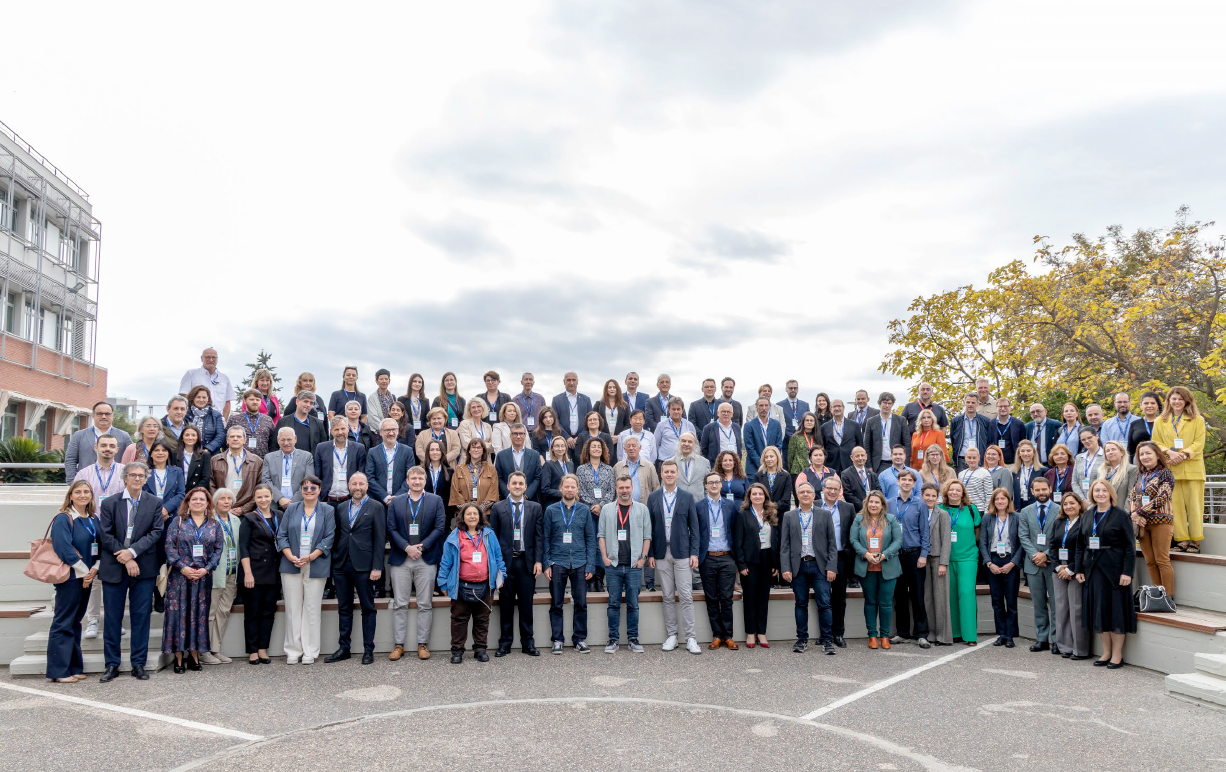
image by Cedefop


Contact: Günter Hefler und Daniel Unterweger

Client: Cedefop

18 Dec

Join the con­sul­ta­ti­on: Facilitating worker mobility through skills trans­pa­ren­cy and digitalisation

The Skills Portability Initiative (SPI) aims to address the core problem of limited portability of qualifications and skills in the EU. Stakeholders are invited to present their views.

15 Dec

Higher VET – Positioning within National Structures and International Trends

A new edited volume sheds light on the structures, developments and perspectives of higher-level vocational education and training. A contribution by 3s experts compares Austria and Norway.

15 Dec

Balancing Excellence and Inclusion in European VET

A new Cedefop publication based on a study led by 3s analyses how European VET systems balance excellence and inclusion – and why this balance is key for the future of skills in Europe.

9 Dec

PIAAC Expert Report with New Insights on Adult Competences

On 5 December, the PIAAC expert report was presented at a Statistik Austria conference. Günter Hefler and Eva Steinheimer contributed key insights on workplace learning.

18 Dec

Join the con­sul­ta­ti­on: Facilitating worker mobility through skills trans­pa­ren­cy and digitalisation

The Skills Portability Initiative (SPI) aims to address the core problem of limited portability of qualifications and skills in the EU. Stakeholders are invited to present their views.

15 Dec

Higher VET – Positioning within National Structures and International Trends

A new edited volume sheds light on the structures, developments and perspectives of higher-level vocational education and training. A contribution by 3s experts compares Austria and Norway.

15 Dec

Balancing Excellence and Inclusion in European VET

A new Cedefop publication based on a study led by 3s analyses how European VET systems balance excellence and inclusion – and why this balance is key for the future of skills in Europe.

18 Dec

Join the con­sul­ta­ti­on: Facilitating worker mobility through skills trans­pa­ren­cy and digitalisation

The Skills Portability Initiative (SPI) aims to address the core problem of limited portability of qualifications and skills in the EU. Stakeholders are invited to present their views.

15 Dec

Higher VET – Positioning within National Structures and International Trends

A new edited volume sheds light on the structures, developments and perspectives of higher-level vocational education and training. A contribution by 3s experts compares Austria and Norway.

18 Dec

Join the con­sul­ta­ti­on: Facilitating worker mobility through skills trans­pa­ren­cy and digitalisation

The Skills Portability Initiative (SPI) aims to address the core problem of limited portability of qualifications and skills in the EU. Stakeholders are invited to present their views.

15 Dec

Higher VET – Positioning within National Structures and International Trends

A new edited volume sheds light on the structures, developments and perspectives of higher-level vocational education and training. A contribution by 3s experts compares Austria and Norway.

>all news