EUCAnet: A transatlantic project on Democracy, Collective Memory and Civic Education
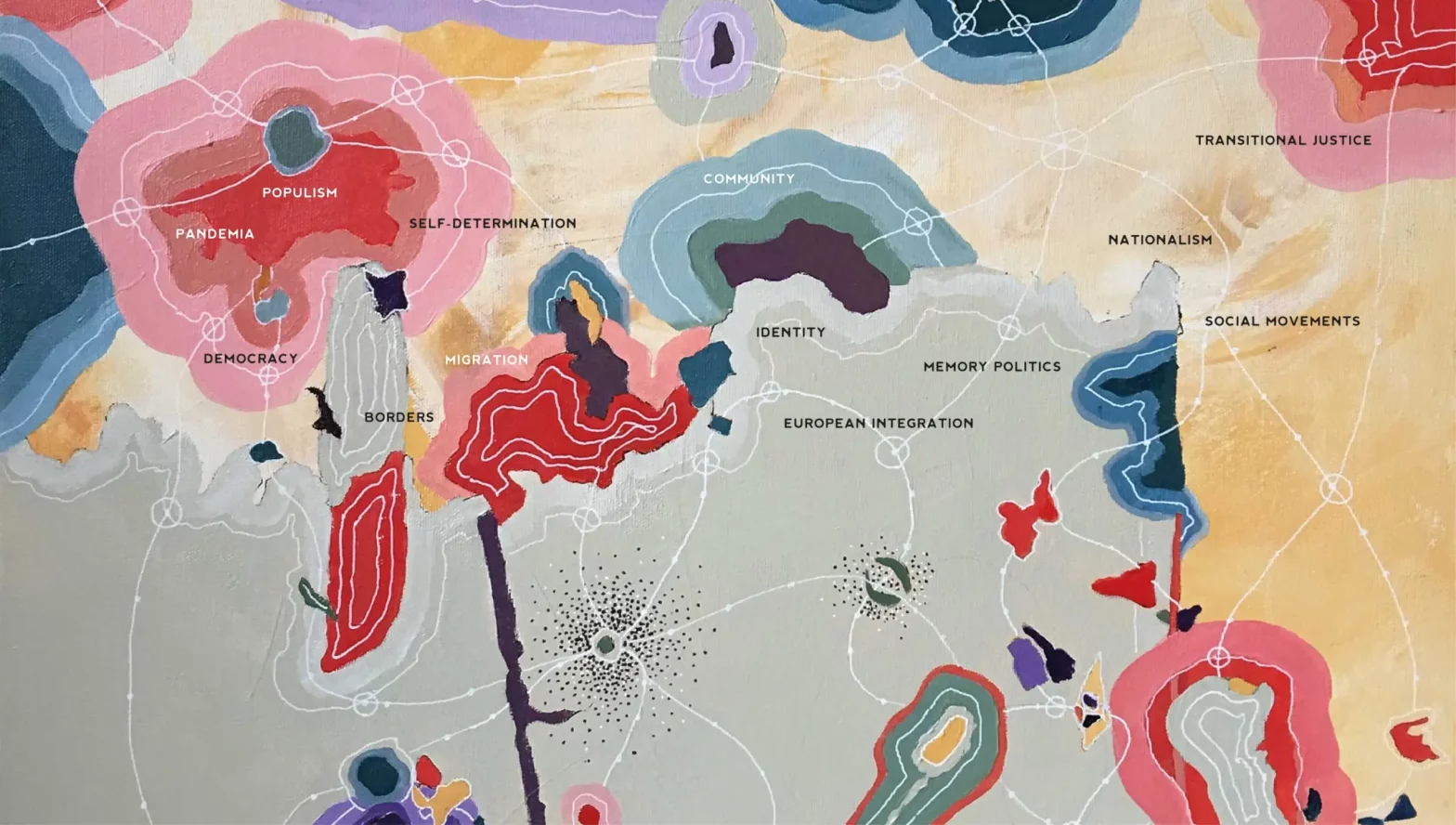
The EUCAnet project ‘Mnemonic Democracy: Collective Memory, Civic Education and Democratic Engagement’ has launched with 3s as project partner.
Through the SSHRC Partnership Development Grant (2026–2028), the project brings together researchers, museums, archives, and civil society organizations from Canada and Europe. The project builds on earlier EUCAnet and Centre for Global Studies initiatives, including studies on populism, migration, and European integration. It will develop a transatlantic network dedicated to understanding how memory can contribute to democratic resilience.
The EUCAnet project will be organised around three main research strands
- Examining how civic and public institutions shape democratic memory
- Exploring grassroots initiatives, inclusive remembrance, and community-based democratic engagement
- And investigating digital memory spaces, AI, disinformation, and the role of technology in shaping democratic knowledge.
Through Memory Labs, museum collaborations, policy dialogues, digital resources, exhibitions, public lectures, and a Young Researchers Network, Mnemonic Democracy tries to connect academic research with civic practice to strengthen democratic participation across generations.
The project is led by University of Victoria with 3s contributing as project partner amongst other European partners as well as the Centre for Global Studies, Royal Roads University, Western University, McGill University, Canadian Museum of Women’s History.
Project: SSHRC Partnership Development Grant (2026–2028) Mnemonic Democracy: Collective Memory, Civic Education and Democratic Engagement
Contact: Karin Luomi-Messerer

Duration: 2026-2028