
Sustainability for Environmental Testing Laboratories

‘ECVET-Lab’ addressed one of the main project chal­lenges i.e. providing oppor­tu­ni­ties for reco­gni­ti­on and vali­da­ti­on of com­pe­ten­ces acquired in the workplace or through alter­na­ti­ve learning pathways.

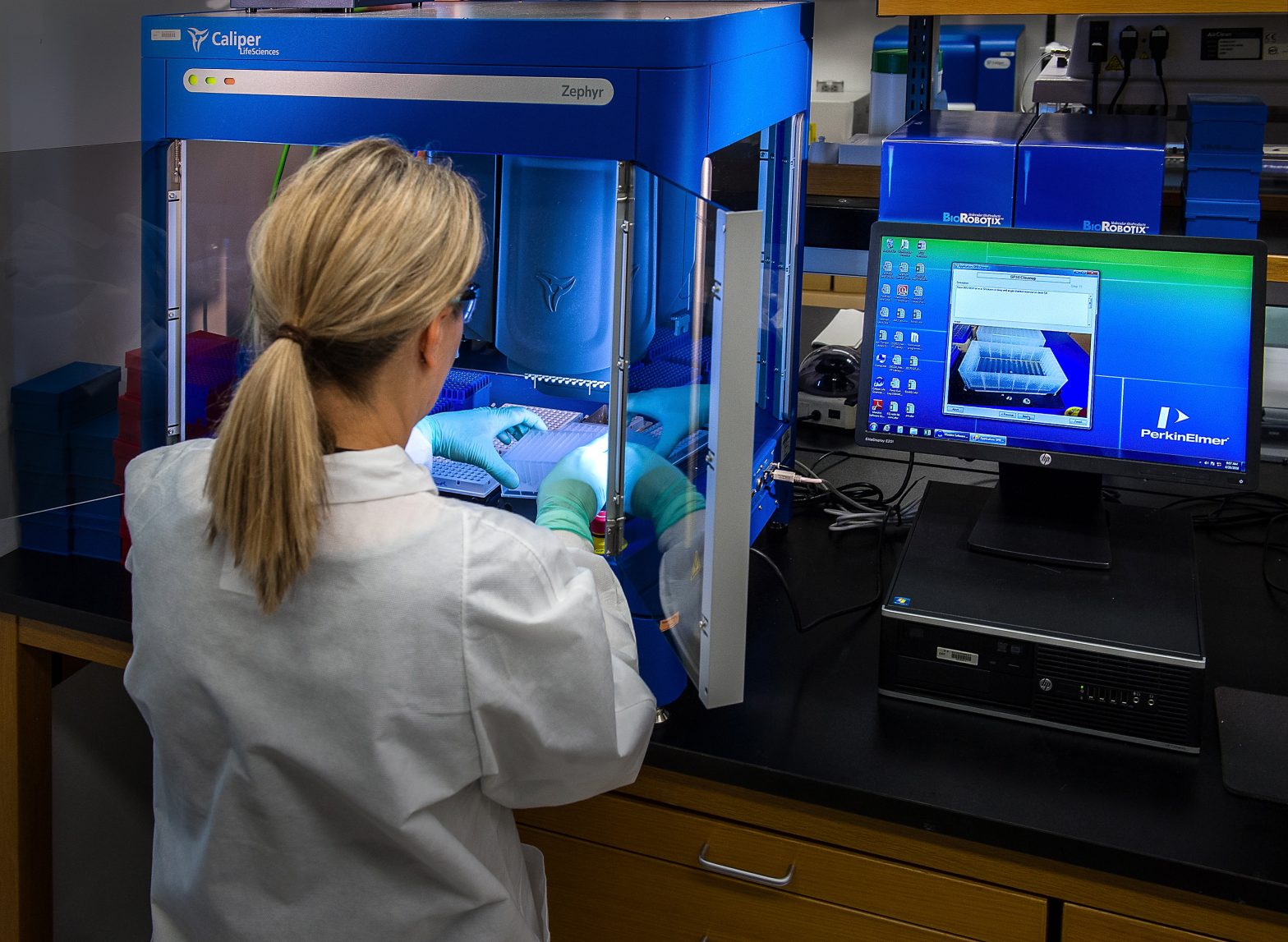
image by Photo by CDC on Unsplash

The ECVET-Lab project intended to develop an online training course through an OER (Open Educational Resources) Learning Platform promoting the need for sus­tainable deve­lo­p­ment of the sector of labo­ra­to­ries of envi­ron­men­tal testing. Through this platform the trainees, labo­ra­to­ry tech­ni­ci­ans, have the chance to obtain and streng­then high quality work-based skills and com­pe­ten­ces in order to comply with a so-called Qualification Standard/ Competence Profile.

All training content has a modular structure whereas each learning outcome reflects duties and respon­si­bi­li­ties a sus­tain­ab­ly aware labo­ra­to­ry tech­ni­ci­an should have in order to carry out good envi­ron­men­tal practices in the workplace. The qua­li­fi­ca­ti­on standard and the training course were defined in accordance with ECVET prin­ci­ples (including a reference to the EQF).

ECVET-Lab included 7 partners, repre­sen­ting 25 different countries, creating a European bridge of knowledge between Spain (NOVOTEC, FEH), Cyprus (NIREAS-IWRC, MMC), Poland (ITeE-PIB), Austria (3s),  and 21 other EU countries as well as asso­cia­ted countries thanks to the EU level orga­ni­sa­ti­on ‘EUROLAB’.  EUROLAB brought together active members from Austria, Belgium, Bulgaria, Croatia, Cyprus, Czech Republic, Denmark, Finland, France, Germany, Greece, Iceland, Italy, The Netherlands, Poland, Portugal, Romania, Spain, Sweden, Switzerland, and the United Kingdom as well as asso­cia­ted members from Turkey, Macedonia and Lebanon.

This project was funded with support from the European Commission. This com­mu­ni­ca­ti­on reflects the views only of the author, and the Commission cannot be held respon­si­ble for any use which may be made of the infor­ma­ti­on contained therein.


Project: Implementation and vali­da­ti­on of Non-Formal Training on Sustainability for Environmental Testing Laboratories workers
Contact: Mariya Dzhengozova

Mail to mariya.dzhengozova@3s.co.at

Client: Erasmus+ 16 (KA2)

Duration: 2016-2018

Studies & Analyses

Beginning of Studies in Austria: Evaluation of the Entry and Orientation Phase (StEOP)

3s is con­duc­ting a follow-up eva­lua­ti­on of the StEOP, which students are required to complete within the first four semesters. Particular focus is on the internal uni­ver­si­ty moni­to­ring systems.

Studies & Analyses

EU Common Training Frameworks – Which Professions Have the Potential?

The study, carried out on behalf of the European Commission, aims to identify pro­fes­si­ons that appear suitable for a Common Training Framework (CTF) across national borders.

Studies & Analyses

Study sup­port­ing the impact assess­ment for the Skills Portability Initiative (SPI)

3s experts con­tri­bu­te to research and con­sul­tan­cy on a possible legis­la­ti­ve proposal to make qua­li­fi­ca­ti­ons and skills more trans­pa­rent, com­pa­ra­ble and trans­fera­ble, sup­port­ing worker mobility in the EU.

Studies & Analyses

Digital Adult Basic Education in Austria – Perspectives on a Sustainable Learning App

A fea­si­bi­li­ty study examines whether and under what con­di­ti­ons a digital learning appli­ca­ti­on to support adults’ basic skills can be meaningful­ly developed and implemented.

Studies & Analyses

Beginning of Studies in Austria: Evaluation of the Entry and Orientation Phase (StEOP)

3s is con­duc­ting a follow-up eva­lua­ti­on of the StEOP, which students are required to complete within the first four semesters. Particular focus is on the internal uni­ver­si­ty moni­to­ring systems.

Studies & Analyses

EU Common Training Frameworks – Which Professions Have the Potential?

The study, carried out on behalf of the European Commission, aims to identify pro­fes­si­ons that appear suitable for a Common Training Framework (CTF) across national borders.

Studies & Analyses

Study sup­port­ing the impact assess­ment for the Skills Portability Initiative (SPI)

3s experts con­tri­bu­te to research and con­sul­tan­cy on a possible legis­la­ti­ve proposal to make qua­li­fi­ca­ti­ons and skills more trans­pa­rent, com­pa­ra­ble and trans­fera­ble, sup­port­ing worker mobility in the EU.

Studies & Analyses

Beginning of Studies in Austria: Evaluation of the Entry and Orientation Phase (StEOP)

3s is con­duc­ting a follow-up eva­lua­ti­on of the StEOP, which students are required to complete within the first four semesters. Particular focus is on the internal uni­ver­si­ty moni­to­ring systems.

Studies & Analyses

EU Common Training Frameworks – Which Professions Have the Potential?

The study, carried out on behalf of the European Commission, aims to identify pro­fes­si­ons that appear suitable for a Common Training Framework (CTF) across national borders.

Studies & Analyses

Beginning of Studies in Austria: Evaluation of the Entry and Orientation Phase (StEOP)

3s is con­duc­ting a follow-up eva­lua­ti­on of the StEOP, which students are required to complete within the first four semesters. Particular focus is on the internal uni­ver­si­ty moni­to­ring systems.

Studies & Analyses

EU Common Training Frameworks – Which Professions Have the Potential?

The study, carried out on behalf of the European Commission, aims to identify pro­fes­si­ons that appear suitable for a Common Training Framework (CTF) across national borders.