
How effective was the FEAD? Ex-post evaluation of the fund
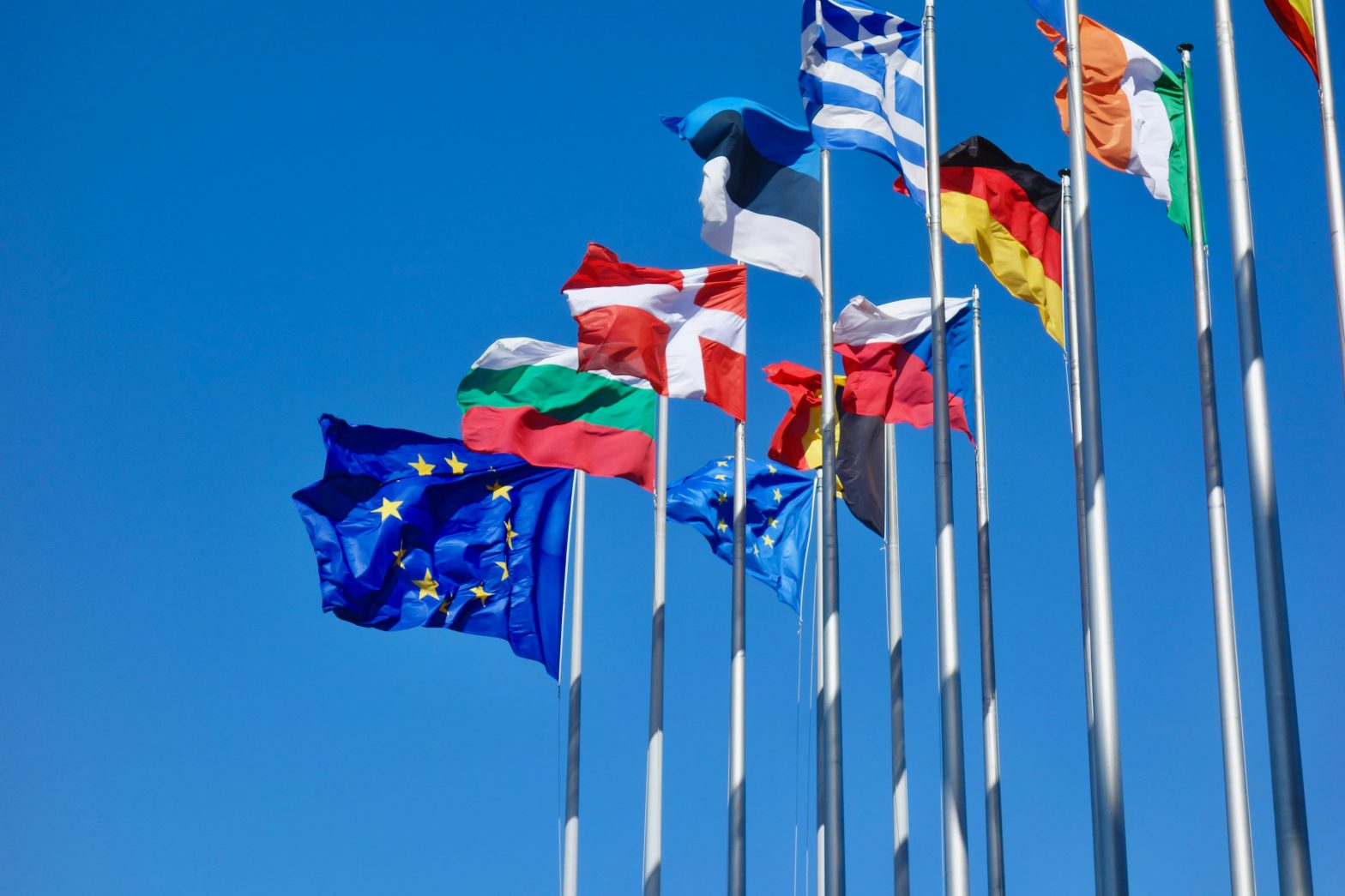
image by Antoine Schibler on Unsplash
The Fund for European Aid to the Most Deprived (FEAD) was active from 2014 to 2020 to reduce the high number of people in the EU who were affected by or at risk of poverty and social exclusion. The EU Member States were able to use the budget provided by FEAD either for the provision of food and basic material assistance or for social inclusion measures.
The European Commission subsequently commissioned an ex-post evaluation of the FEAD. The aim of the study is to assess the effectiveness, efficiency, relevance, coherence, EU added value and visibility of the measures funded by FEAD. A wide range of data are collected and analysed for the evaluation, including monitoring data, national evaluations, socio-economic indicators, the European Commission’s Joint Research Centre (JRC) analysis as well as results from a public consultation, interviews, and focus groups.
In addition to assessing FEAD’s achievements, the evaluation study aims to improve future support programmes, such as those under the European Social Fund Plus (ESF+), making them even more effective and targeted. Under ESF+, the most deprived persons will continue to receive support during the 2021–2027 programming period.
The study is conducted by 3s in cooperation with Ecorys. Julia Fellinger is part of the project’s coordination team, Mariya Dzhengozova is the case study coordinator.
Learn more about the results.
The study can be downloaded here.
Project: Ex-post evaluation of the 2014–2020 Fund for European Aid to the Most Deprived (FEAD)
Contact: Julia Fellinger

Client: European Commission
Duration: 05/2023-11/2024