
Competences for a Democratic Culture in VET
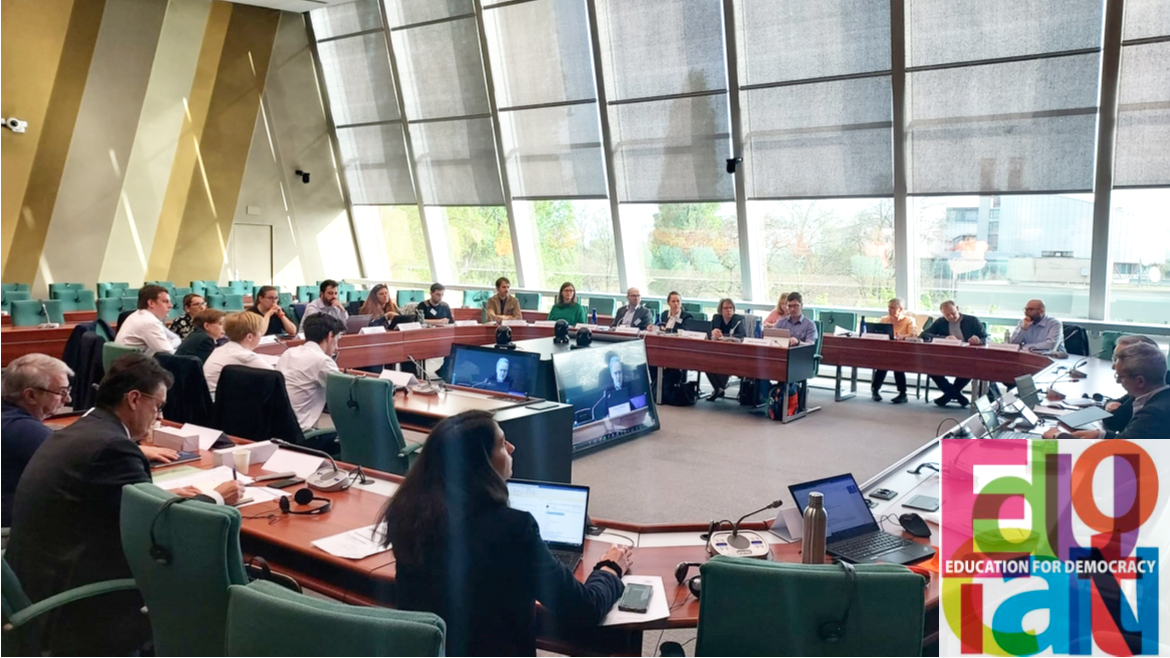
The Council of Europe launched a new project on promoting a culture of democracy in Vocational Education and Training in Europe with Jörg Markowitsch as an expert.

image by Council of Europe

Aligned with the Council of Europe’s Education Strategy for 2024–2030, focusing on “Learners First,” this initia­ti­ve unders­cores the inte­gra­ti­on of Competences for Democratic Culture (CDC) into VET to enhance citi­zen­ship education quality. To bolster these endea­vours, the Expert Group on the Reference Framework of Competences for Democratic Culture (RFCDC) and VET has been renewed for 2024–2025, com­pri­sing 23 repre­sen­ta­ti­ves from member states and observers to the Steering Committee for Education. Jörg Markowitsch is one of the experts and will con­tri­bu­te to develop chapters on CDC in initial and con­ti­nuing VET teacher training and on CDC in in-company training.

Building on the recently adopted Guidance Document on VET, a joint publi­ca­ti­on shall mark  a pivotal step in the Council of Europe’s com­mit­ment to ensure VET systems not only prepare learners for employment but also foster active citi­zen­ship in demo­cra­tic societies.

In April 2024, the experts convened for the first con­fe­rence on RFCDC and VET, held both in Strasbourg and online. During the con­fe­rence, dis­cus­sions revolved around the concept note of the upcoming publi­ca­ti­on, delving into key areas such as cur­ri­cu­lum, assess­ment, teacher training (both initial and ongoing), in-company training, CDC imple­men­ta­ti­on in VET schools, the role of social partners, inclusion, and learners’ voice and participation.

Publication:

Schmid-Heher, Stefan; Markowitsch, Jörg (2025): Fostering Competences for Democratic Culture in VET Teacher Training. In: Council of Europe’s Steering Committee for Education (CDEDU): Learning Democracy in Vocational Education and Training in Europe: An anthology, pp. 44–55.


Project: Contribution to a publi­ca­ti­on on the Council of Europe’s Reference Framework of Competences for Democratic Culture (RFCDC) and VET

Contact: Jörg Markowitsch

Mail to joerg.markowitsch@3s.co.at

Client: Education Department of the Council of Europe

Duration: 01/2024-12/2024

Studies & Analyses

Study sup­port­ing the impact assess­ment for the Skills Portability Initiative (SPI)

3s experts con­tri­bu­te to research and con­sul­tan­cy on a possible legis­la­ti­ve proposal to make qua­li­fi­ca­ti­ons and skills more trans­pa­rent, com­pa­ra­ble and trans­fera­ble, sup­port­ing worker mobility in the EU.

Studies & Analyses

Deepening the Understanding of Microcredentials: Relevance, Quality, and Inclusion

This project inve­sti­ga­tes the labour market relevance, quality assurance, and inclu­si­ve­ness of micro­creden­ti­als, focusing on their reco­gni­ti­on, sectoral posi­tio­ning, and accessibility.

Studies & Analyses

Artificial Intelligence as a Topic in Non-formal Training

The market study provides an up-to-date overview of open, non-formal training oppor­tu­ni­ties focusing on arti­fi­ci­al intel­li­gence in Austria.

Innovation & Development Projects

SkillsPath – Building Bridges for a Sustainable Career Future

SkillsPath empowers young women and men with a migration or refugee back­ground in Germany, Greece, and Spain to access jobs, training, and oppor­tu­ni­ties in the green economy.

Studies & Analyses

Study sup­port­ing the impact assess­ment for the Skills Portability Initiative (SPI)

3s experts con­tri­bu­te to research and con­sul­tan­cy on a possible legis­la­ti­ve proposal to make qua­li­fi­ca­ti­ons and skills more trans­pa­rent, com­pa­ra­ble and trans­fera­ble, sup­port­ing worker mobility in the EU.

Studies & Analyses

Deepening the Understanding of Microcredentials: Relevance, Quality, and Inclusion

This project inve­sti­ga­tes the labour market relevance, quality assurance, and inclu­si­ve­ness of micro­creden­ti­als, focusing on their reco­gni­ti­on, sectoral posi­tio­ning, and accessibility.

Studies & Analyses

Artificial Intelligence as a Topic in Non-formal Training

The market study provides an up-to-date overview of open, non-formal training oppor­tu­ni­ties focusing on arti­fi­ci­al intel­li­gence in Austria.

Studies & Analyses

Study sup­port­ing the impact assess­ment for the Skills Portability Initiative (SPI)

3s experts con­tri­bu­te to research and con­sul­tan­cy on a possible legis­la­ti­ve proposal to make qua­li­fi­ca­ti­ons and skills more trans­pa­rent, com­pa­ra­ble and trans­fera­ble, sup­port­ing worker mobility in the EU.

Studies & Analyses

Deepening the Understanding of Microcredentials: Relevance, Quality, and Inclusion

This project inve­sti­ga­tes the labour market relevance, quality assurance, and inclu­si­ve­ness of micro­creden­ti­als, focusing on their reco­gni­ti­on, sectoral posi­tio­ning, and accessibility.

Studies & Analyses

Study sup­port­ing the impact assess­ment for the Skills Portability Initiative (SPI)

3s experts con­tri­bu­te to research and con­sul­tan­cy on a possible legis­la­ti­ve proposal to make qua­li­fi­ca­ti­ons and skills more trans­pa­rent, com­pa­ra­ble and trans­fera­ble, sup­port­ing worker mobility in the EU.

Studies & Analyses

Deepening the Understanding of Microcredentials: Relevance, Quality, and Inclusion

This project inve­sti­ga­tes the labour market relevance, quality assurance, and inclu­si­ve­ness of micro­creden­ti­als, focusing on their reco­gni­ti­on, sectoral posi­tio­ning, and accessibility.